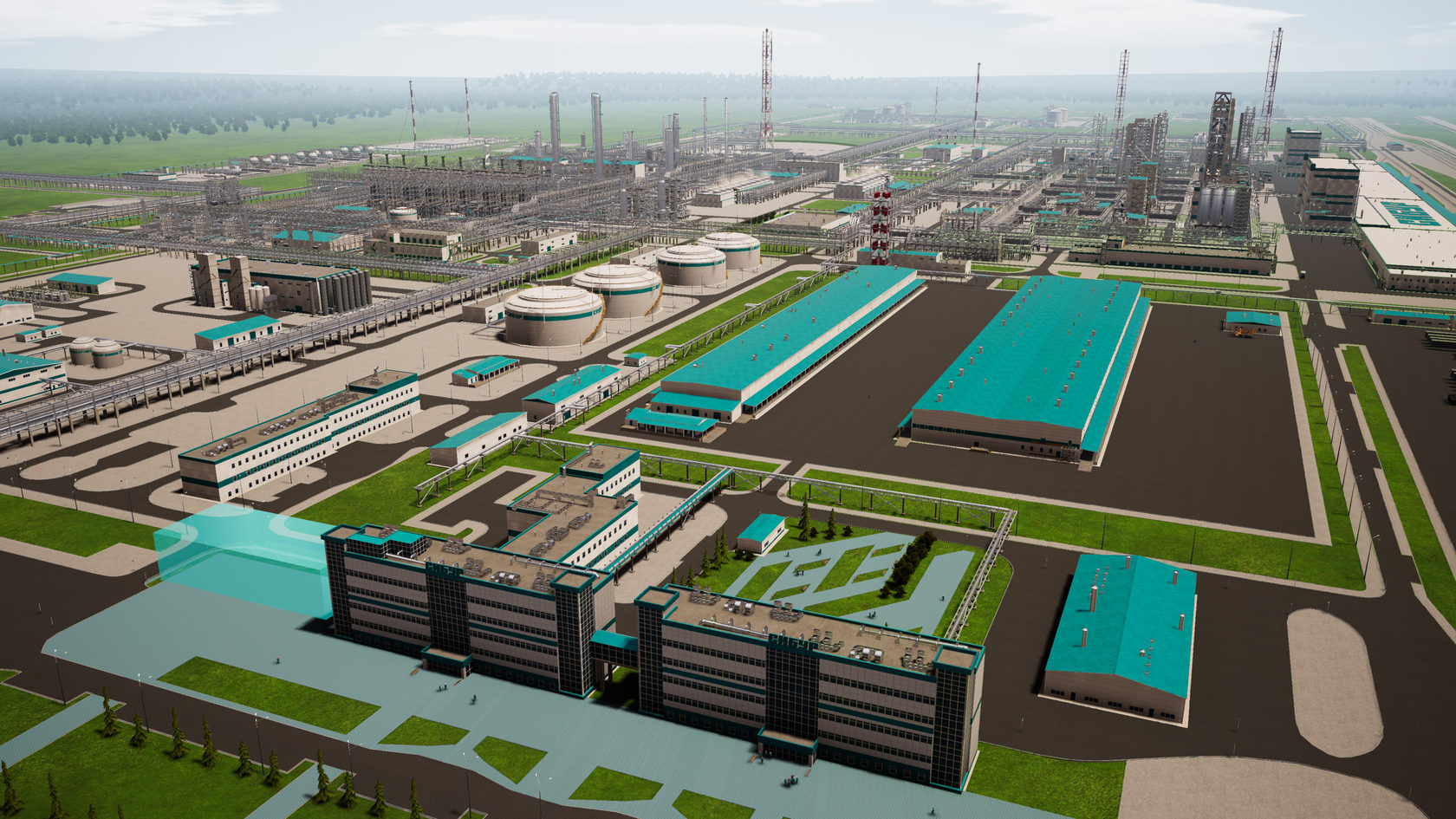
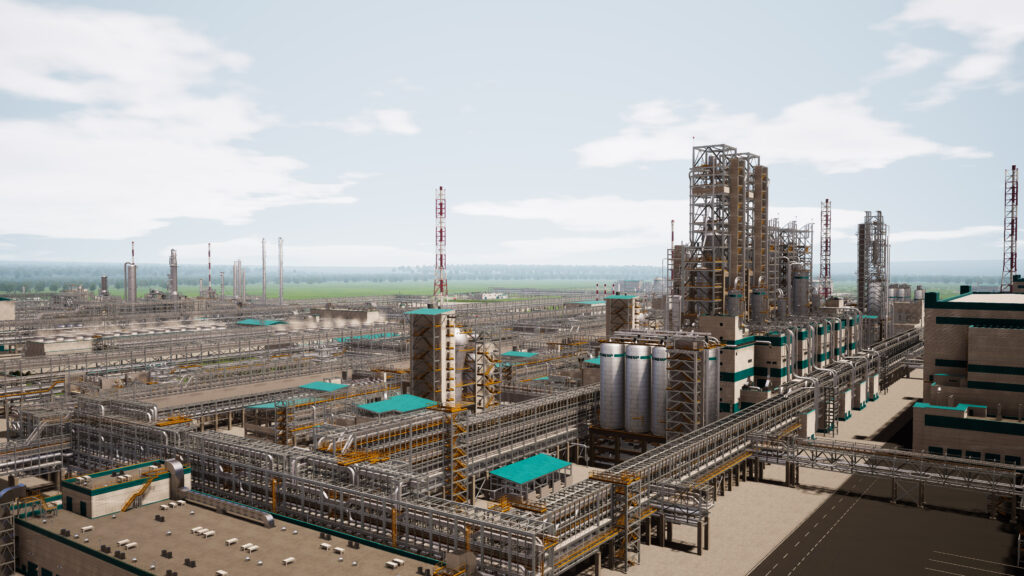
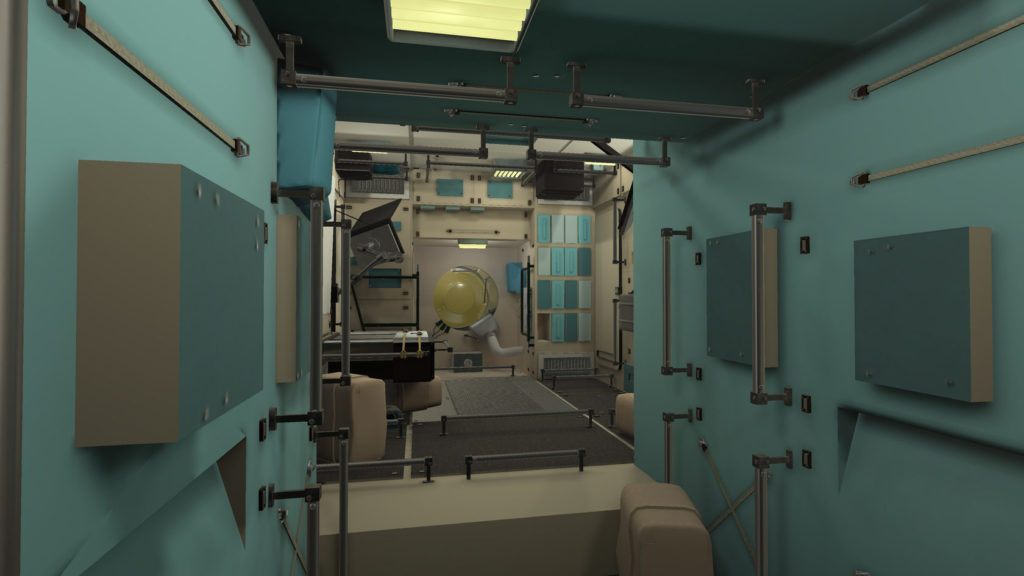
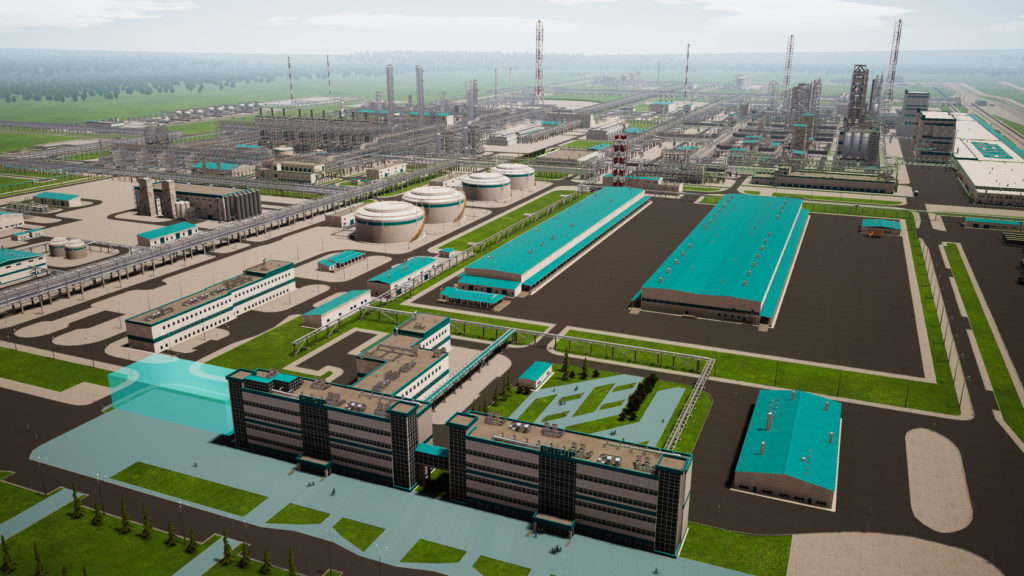
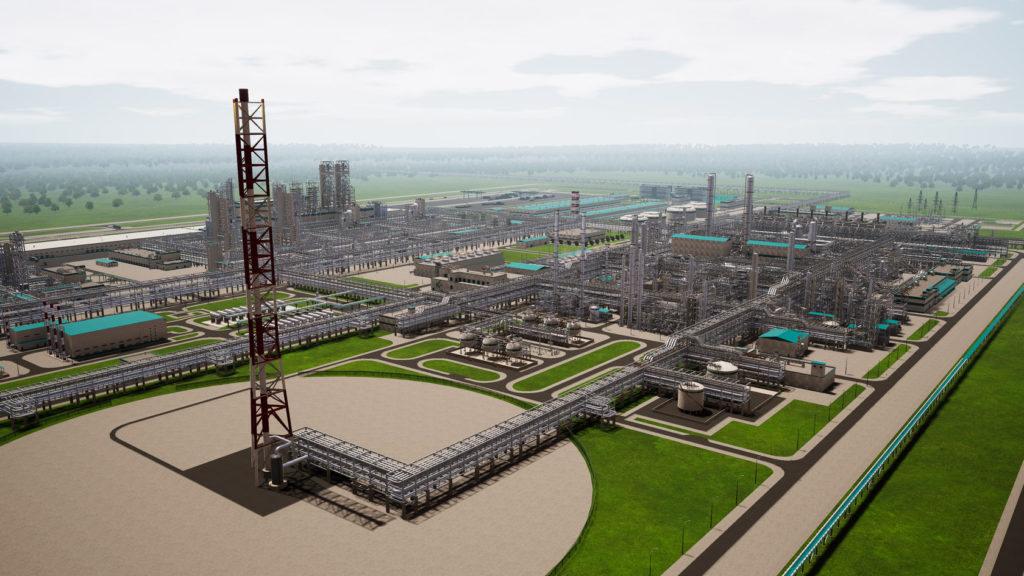
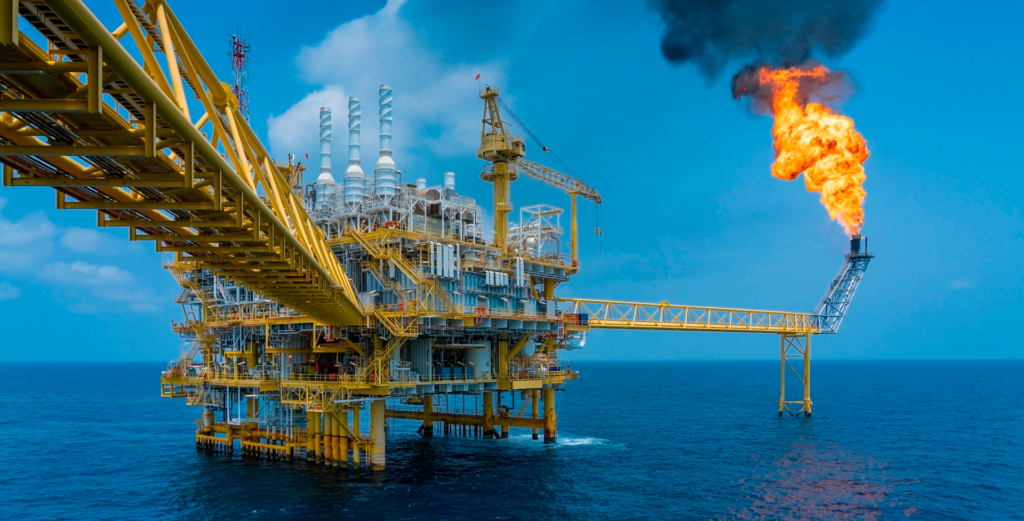
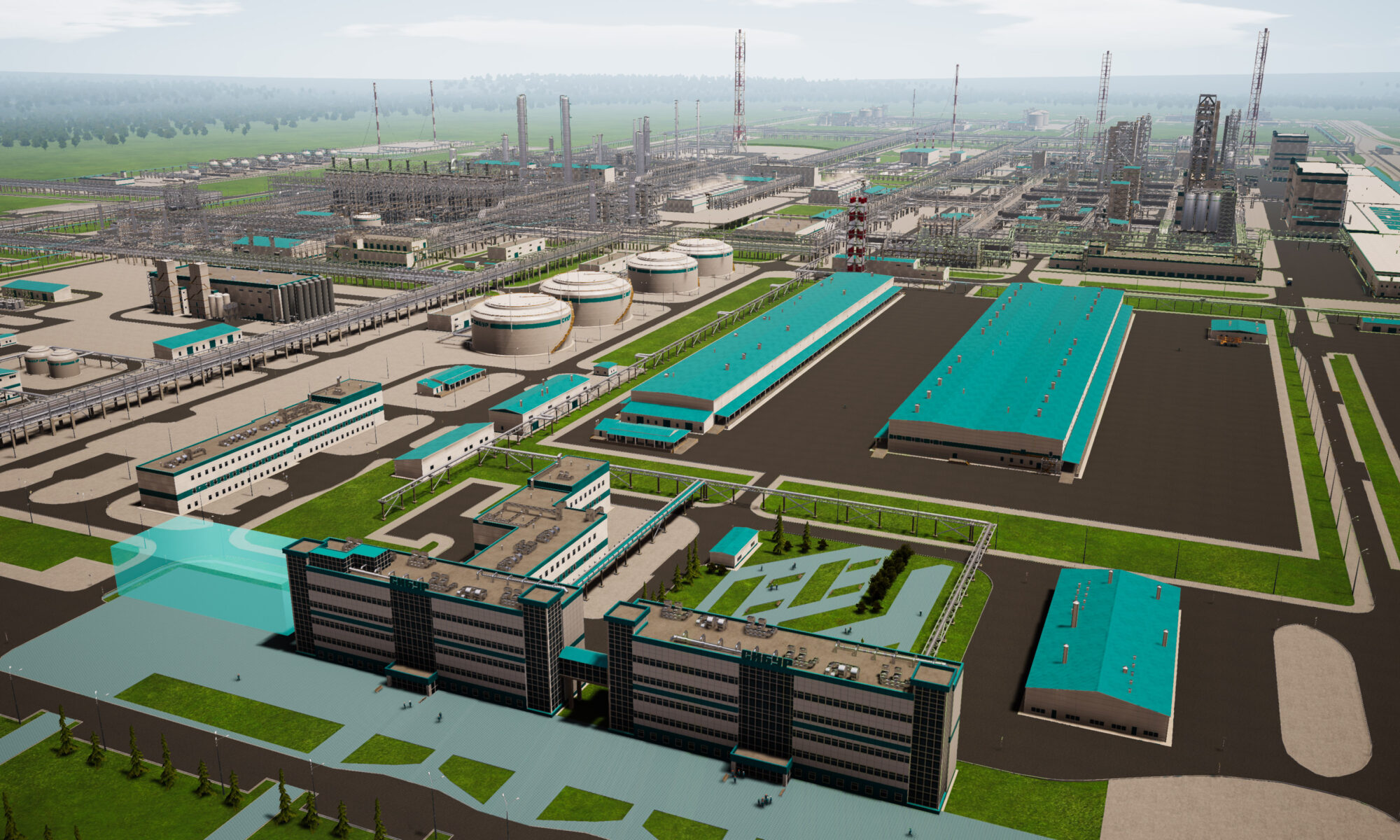
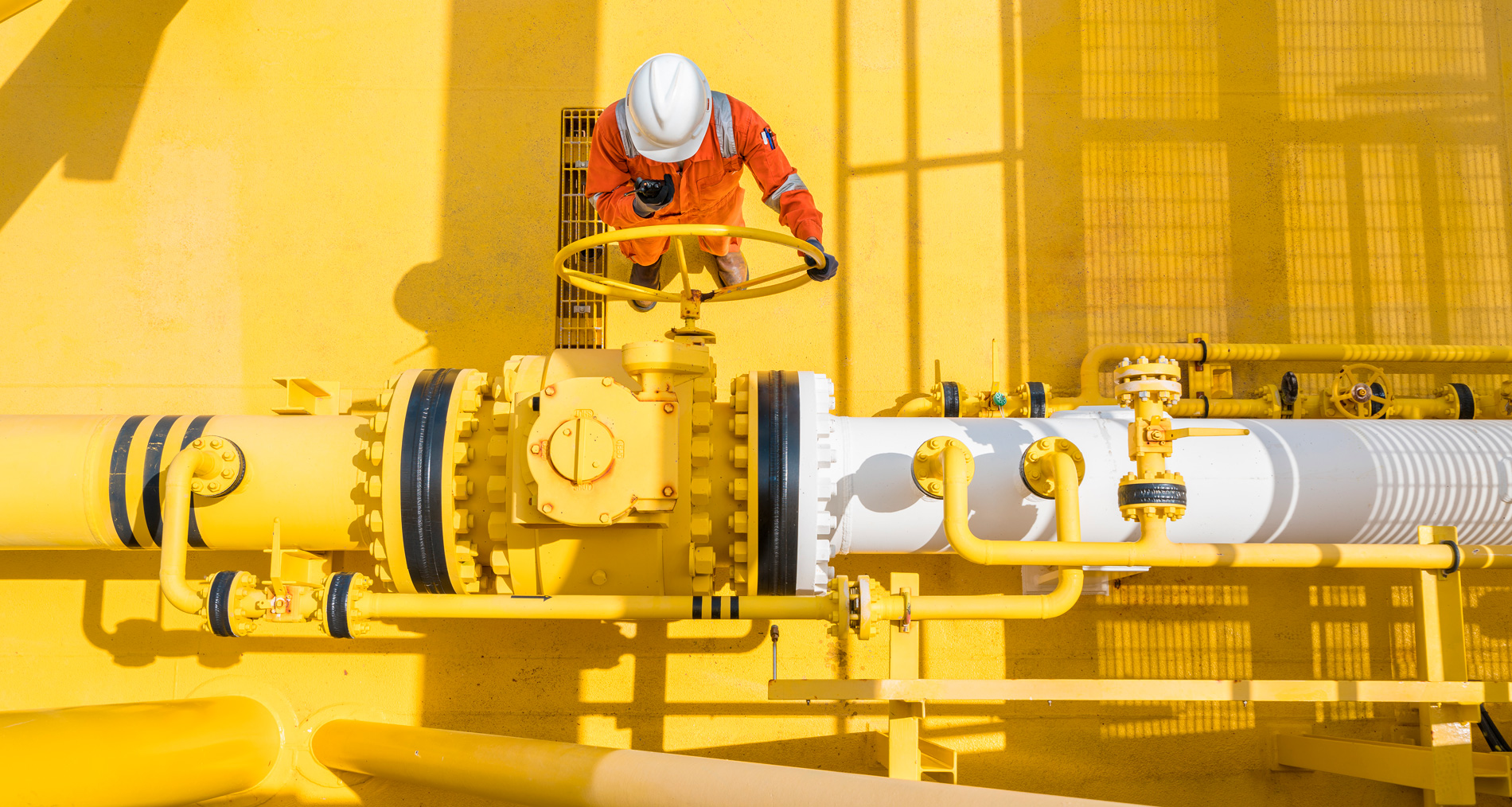
Oil and petrochemical refineries are rather complex sophisticated facilities demanding accurate management and proper maintenance. In this case, 3D models for production sites – an exact digital twin of a building – are created to help maintenance staff quickly reach a certain location, thus making their life easier.
Just one 3D model can replace tons of accompanying documents and dozens of conventional mock-ups.
Even the most accurate and well-crafted, mock-ups are of offline nature and provide general building details only. Instead, a 3D model is interactive and allows you to zoom in, turn around and remember any particular section.
Such a 3D model is an effective learning material, as clicking and travelling through it is more of an adventure than trying to handle a mock-up.
A 3D model is a HSE manual displaying hard-hats-on locations and places to avoid (even if you’re wearing a genius hard hat). Newcomers find interactive maps and routes more helpful in memorizing the object structure, compared to dull paper layouts.
On top of that, 3D models for production sites are less expensive to maintain (compared to a mock-up) and easy to move (a simple flash drive will suffice) and update with new data layers. Unlike mock-ups, a 3D model supports collaboration.
How to use 3D models for production sites?
In addition to replacing excessive documentation, a 3D model works as a simulator for employees to pass some internal assessment. Moreover, you can upload complete technical specifications of nodes over the model, so that employees could brush up the assignments and plan their activities before its shift.
Another trend is virtual tours for inspection authorities and stakeholders. One of our customers implemented a role-based model where users are granted different access rights depending on the assigned role. For example, some users can observe the entire model, including specifications and related details, while others see just equipment exterior and location, with some layers being simply hidden from their eyes. This results in different content for different roles without any chance of unauthorized access.
Industrial companies face similar challenges, which lead to lost profits: high LTIFR, unscheduled equipment downtime, and long-scheduled maintenance. Solutions based on immersive reality (digital models and VR trainings) can solve these problems.
Employee safety and health are top-priority tasks at any industrial enterprise. According to the International Labour Organization, approximately 2.3 million people worldwide die every year because of workplace accidents or occupational diseases, which number is equal to a large city population.
Accidents and work incapacity lead to idle time and equipment downtime, the company’s financial losses, and tarnished reputation. Yet too often, accidents and deaths are caused by employee error, proving that conventional occupational safety trainings are no longer sufficient.
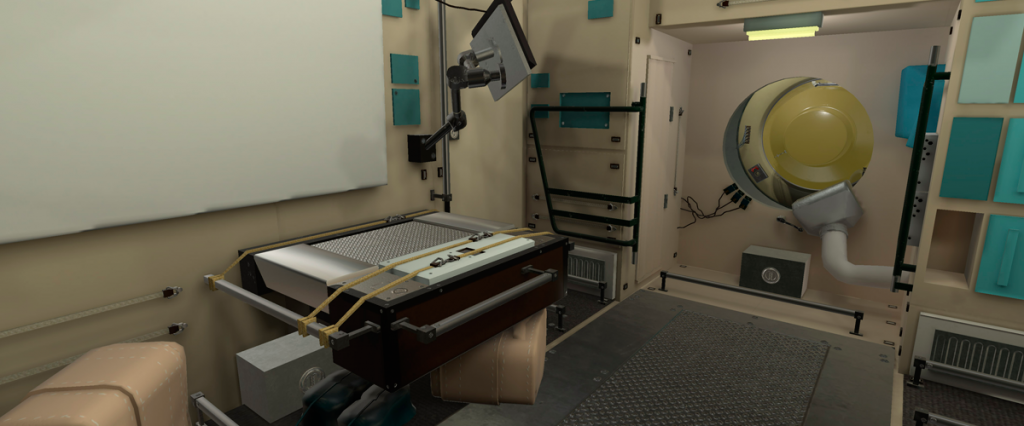
These problems can be solved with training simulators, which visualize technological processes using VR and 3D technology. In addition, VR makes training as effective as that in real life.
VR training is a must when it is hard or impossible to simulate an emergency in real life, such as a high-voltage plant operation or fire.
VR also help learn how a certain employee will respond and act in an extraordinary situation. For instance, you can run emergency scenarios in any sequence or even in parallel to make a trainee choose what to do to address the emergency.
Facing the facts about VR trainings
PwC recently studied the efficiency of training in VR. Here are the key takeaways:
During VR courses, employees can be trained up to four times faster!
VR learners are up to 275% more confident to act on what they learned after training—a 40% improvement over classroom and 35% improvement over e-learning.
VR learners are 3.75x more emotionally connected to the content than classroom learners.
VR learners were up to four times more focused during training than their e-learning peers, and 1.5 times more focused than their classroom peers.
VR learning can be more cost-effective at scale.
VR learning will likely be an enabler of a new age of enterprise training and education, delivering a cost-effective, immersive, and efficient soft-skill training experience. But how it’s done?
Should it be high voltage equipment failure or fire at the production facility, VR trainings help reveal employee reaction to any emergency or sudden obstacles, reproduce tricky situations when an incident doesn’t follow the usual scenario, and, more importantly, enables employees to get prepared to such incidents in advance. For example, the introduction of VR in Ford’s manufacturing process reduced injures by 70%.
Both highly probable AND catastrophic risks for desalination plants include electric hazards and high-pressure fluids. Any hazardous situation or emergency can be easily reproduced in a computer simulation, with virtual reality technologies being capable of showing almost any content, including even “playback” of past accidents to prevent them in the future. For instance, we have recently helped one company to overcome some of the HSE challenges with the power of smart technology. Plant management was not sure of how well the team can handle emergencies and complex routine maintenance tasks. The cost of error or inaction can be quite high, as you certainly know.
We suggested using an innovative approach to tackle such a challenge: a VR simulation + operator training simulator (OTS). Workers can go through very realistic simulations as often as they need, which builds enough confidence and understanding to mitigate the risks and properly act in an emergency.
How VR trainings work
During such VR trainings, employees obtain necessary knowledge and skills and pass tests in a computer simulation, with the test results being available to the supervisor who thus can speed up onboarding and new knowledge perception through practice.
People get hands-on experience in the equipment whenever they need and simulate all kind of emergencies and maintenance tasks to gain confidence and speed. The consequences of any HSE breach can be reinforced in virtual reality through visual effects, like a full-screen explosion accompanied by bruising, thus impacting the psycho-emotional state of employees to make them more careful in their routine activities.
The benefit for the stakeholders is the transparency of skill assessment. There is a record of VR trainings for each employee – time spent on each particular action, the number of attempts, how often each task is practiced, etc.
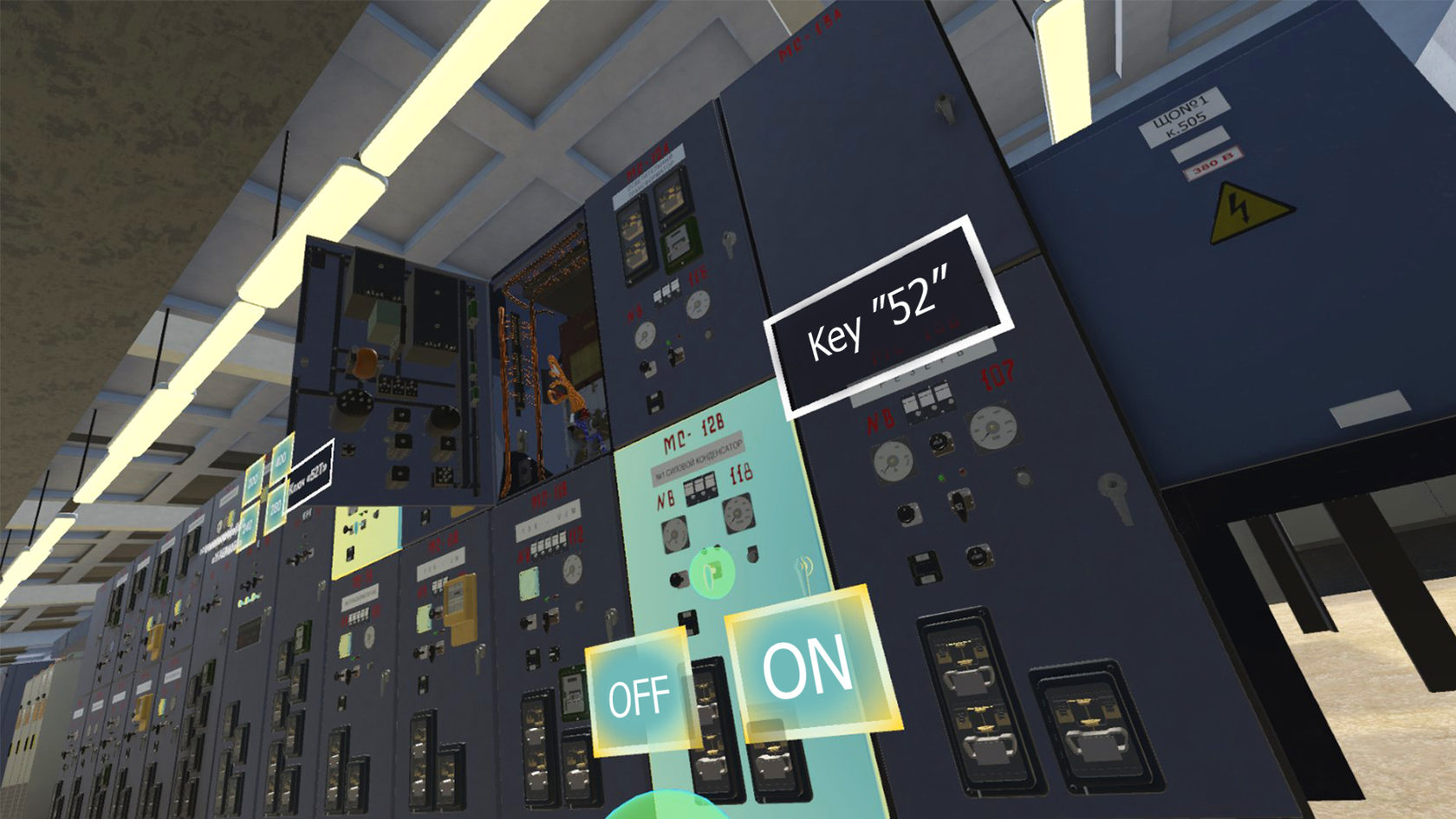
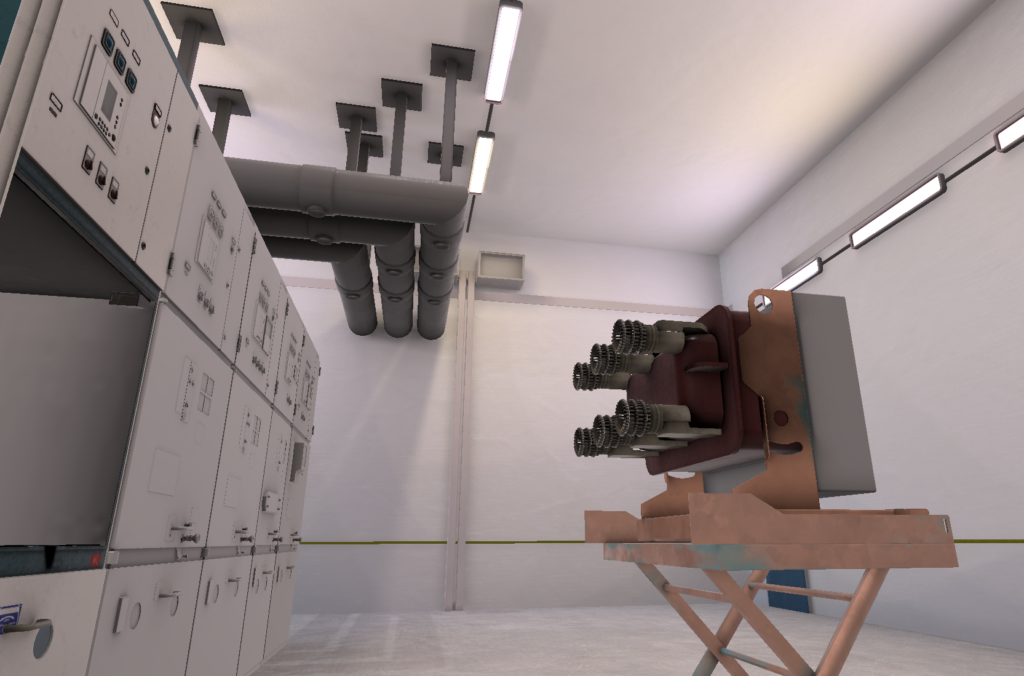
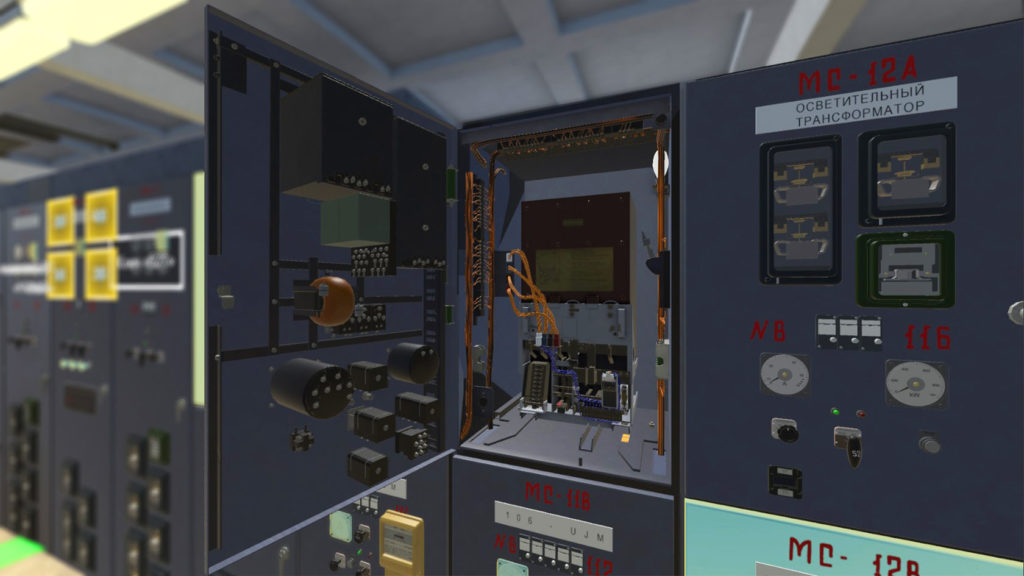
High and medium voltage electrical equipment training is another hugely compelling use case demanded by our multiple customers:
We develop VR trainings because we know they save lives. If you are interested in how VR can be integrated into your organization, please contact us.
What’s usually attached to a drone? A video camera, of course. It is quite popular to mount it on the drone and lift as far above the ground as the connection reaches and catch a panoramic breathtakingly beautiful view on that camera. This is, however, a mere 9% of what you can do with this machine. Besides, there are a lot more interesting toys to mount on drones, and, in today’s post, I’ll tell you all about drone sensors.
Article by Pavel Tatarintsev, NNTC R&D Head LinkedIn | Mail
Sensors. There are a great many sensors one can attach to drones. You can give them a keen magic power to see things and solve business problems faster, and I’m excited to share the most impressive cases with you: oil spill detection and ground penetrating radar (GPR).
Drone sensors and oil spill detection
This drone sensor is a specific type of a thermal imager (looks like a tiny cube with an opaque black mirror lens) that can measure polarized light. Taking light as a form of an electromagnetic wave, we can distinguish electric and magnetic fields there. Before polarization, we have unpolarized light emitted, for example, by the sun or a lamp. Polarization means removing any electromagnetic waves from the beam, except for those being in a certain plane of polarization. Light reflected from oil and water has different polarization angles. Gotcha! Now you see it.
An on-board computer connects the drone and the sensor and processes data in real time. The camera receives two video streams: thermal radiation and the polarized (reflected) light in each pixel of the image. Both streams combined to allow for detecting hydrocarbons on the water surface (gas, diesel, oil, and kerosene).
Here is my recommendation regarding the best drone for such an industrial inspection. The choice, however, depends on the environment. For example, a kilometer-long and 0.5 kilometer-wide coastline inspection is a job for DJI M-200 and M-300 drones. If you need to monitor an area of at least 10 by 40 kilometers, then consider flying machines that look more like planes, as they can stay in the air longer (3-6 hours) and travel farther.
If a refinery is tasked with tracking oil spills in its waters, this sensor will be an essential asset, being able to detect the tiniest spills right away and avert a disaster. In addition, this sensor is more user-friendly than bulky marine radars and its polarization camera sees oil spills in calm waters, unlike the radar. Finally, you can schedule drone flights around the area to get updates on the state of the water around the production area.
Drones and GPR
Loosely speaking, GPR is a radar that can see underground. This drone sensor has a couple of commercial applications.
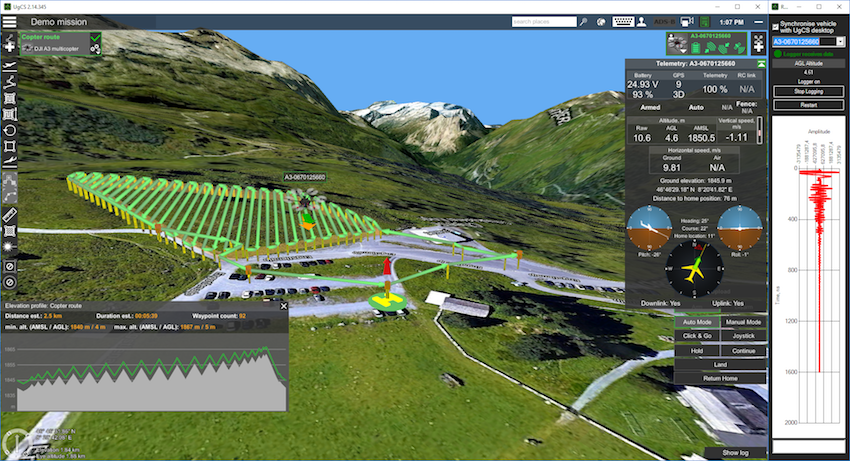
UgCS ground control software displaying GPR status
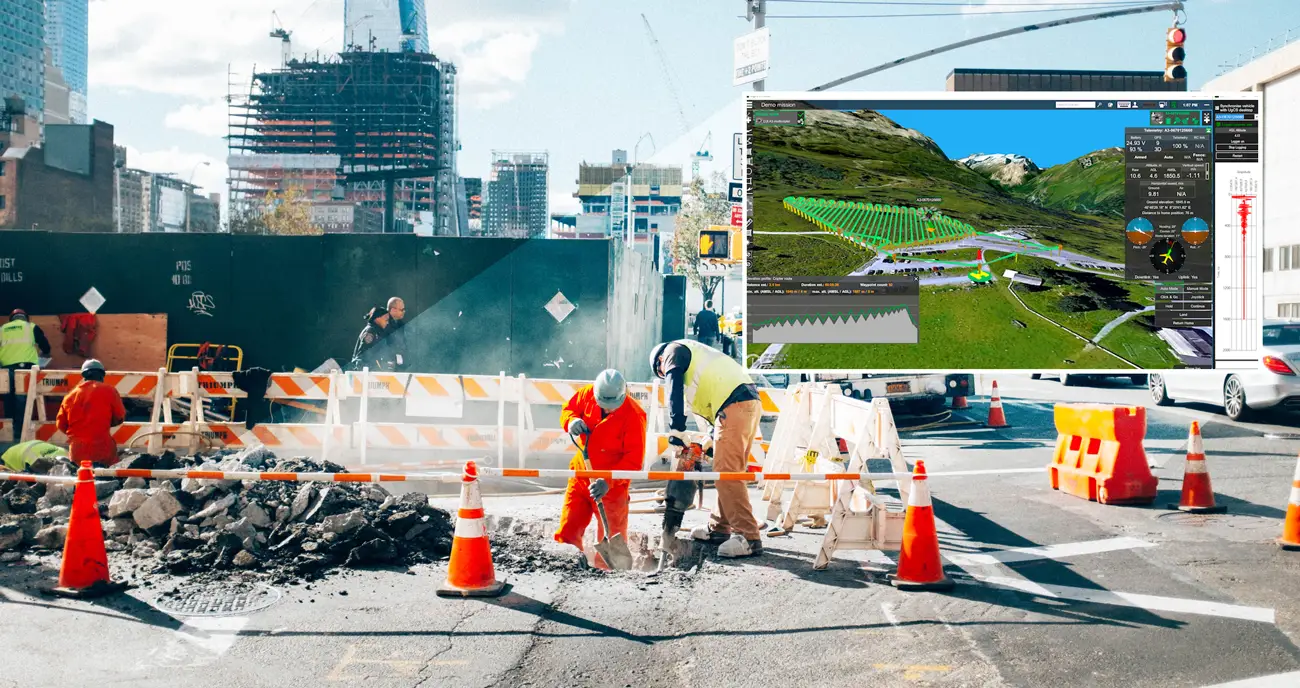
One of the most common and practical use cases is to locate pipes and other utility lines in urban areas. City development usually takes time and not always sticks to an initial plan, like in case of underground utility systems. Reasons differ. The original drawings could be lost and then recreated from memory or georeferencing wasn’t around until quite recently, while works were carried out some 30-40 years ago. Anyway, it’s a common thing when a drawing says that a water pipe is under the sidewalk, but, in fact, the pipe runs three meters away from there under the road.
Such discrepancies greatly complicate the planning of utility systems repair or installation. Just fancy that you need to lay new fiber-optic cables in an old city. You take the drawings, study them, and decide to lay a new pipe under the roadway. There you are: the traffic is blocked, roads are closed, concrete is broken up, and workers are digging. Two months and thousands of cubic meters later, they hit the pipe. To say it is a surprise might be an understatement.
GPR drone sensors can save you from such an oopsie. It detects the reflected signals from subsurface structures, but the material must have enough density to reflect these waves. I’ll give you an example. We are trying to survey a sandy area. There is a pipe two meters beneath the surface. The sand is quite transparent for radio waves. Having reached the pipe, the radio wave is reflected back to you, so the GPR can receive it and show you the location of the metal material under the sand. However, you won’t see anything under the pipe, because the radio wave has already been reflected back. Clay, metal, reinforced concrete and water (especially soil and salt water) reflect waves well. This radar is especially useful when you look for a perfect site to build a skyscraper.
There are high and low-frequency GPRs. The higher frequency, the more detailed image, but the less the vision depth is. In other words, at a higher frequency, you will see smaller objects more accurately. For example, a 100 MHz GPR will show you a metal pipe being one meter in diameter and laid three meters underground. But it will be blind to a pipe with a diameter of ten centimeters – such a small object requires a radar of higher frequency. However, depending on the ground, low-frequency GPRs can locate objects at the depth of 30, 40, and even 100 meters. SPH Engineering, for example, discovered a whole plane in a glacier in Greenland buried 130 meters under ice, which is made of distilled water and thus remains transparent for radio waves.
SPH Engineering helps locate aircraft buried under Greenland ice with GPR
Drone sensors – a tool for every job
You can select a perfect sensor for the job when you set the objectives. Say, you need to find a metal object under the layer of the salt sand that doesn’t allow waves through. Use a magnetometer. If so required, you can put an ultrasonic sensor to use. But that’s another story to tell sometime later.
To conclude, technologies have a wide range of applications to solve any task of any complexity. Think out of the box and you’ll find the way.
Drones perform multiple functions and can be used virtually in any industry. Goldman Sachs forecasts a $100 billion market opportunity for drones as powered by growing demand from the commercial and civil government sectors: $45 billion (infrastructure), $32 billion (agriculture), $13 billion (transport), and $10 billion (security). Drone use by builders is rather promising as drones can be introduced at any construction and development stage.
What can drones do at a construction site? Drones can optimize the construction process in various unexpected ways. Let’s talk about the following three functions:
1. Construction progress control 2. Assessment of emergencies 3. Building Information Modeling
Construction progress control helps to acquire information on construction site changes over specific period and compare current status with planned construction documentation. Drone flies around the construction site in an automated mode, while also taking photos and making orthophoto-, 3D- and landscape maps. The accumulated data goes to a private web portal accessible to responsible persons and construction stakeholders only, thus contributing to fast and streamlined communication between construction participants, as well as easier control over staff performance.
Drones also provide ad-hoc monitoring of the location of construction machinery, construction materials and temporary facilities. Small-sized drones can approach hard-to-reach engineering components.
Assessment of emergencies. In case of emergency, a drone flies on site to take photos and shoot videos, with all information being sent online to a situation center for prompt issue resolution. In addition, drones can perform live broadcasting.
Building Information Modeling. Drone photogrammetry makes it possible to not only match a certain construction stage with the plan but also then deliver an eye-catching site presentation in 3D. Once construction is over, a drone flies around the completed site and collects data to be then transformed into a precise 3D model of the facility. Such a model can be easily presented on a holographic table, a new presentation tool for real estate segment.
Drones are compatible with various advanced technologies (e.g. video analytics, BIM, drone show software and security solutions) and thus can be used almost in any sector.
Any industrial inspection solves three main tasks: data collection (photos of objects), analysis (identifying defects and abnormalities), and reporting. Today, Pavel Tatarintsev will talk about ATLAS – image analysis and automatic reporting system that covers the most labor-intensive industrial inspection tasks.
Article by Pavel Tatarintsev, NNTC R&D Head LinkedIn | Mail
Naturally, ATLAS is not the first solution on the market that analyzes photos and automates reporting, but its unique easily trainable AI module makes it a truly handy and unparalleled tool.
How I taught ATLAS to find bushes in the desert
I will describe the module operation using my own user experience as an example. One weekend, I decided to go to the desert and, just for fun, teach my ATLAS to recognize bushes. It was an easy, interesting, and clear process. I used a standard laptop with installed UgCS and ATLAS software, as well as a 400g DJI Mavic Air drone with a built-in wide-angle camera. This is a small, quite popular and affordable drone.
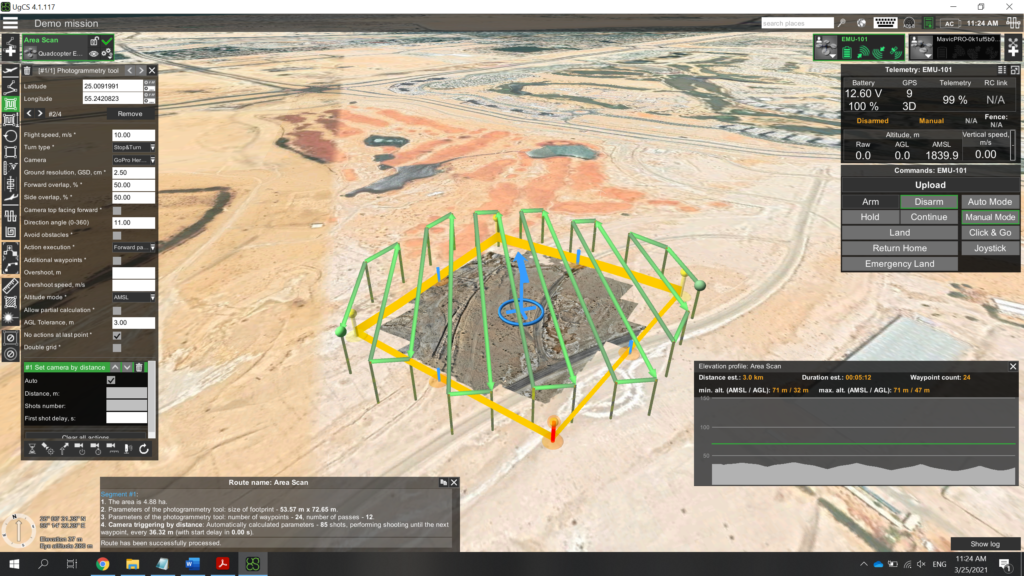
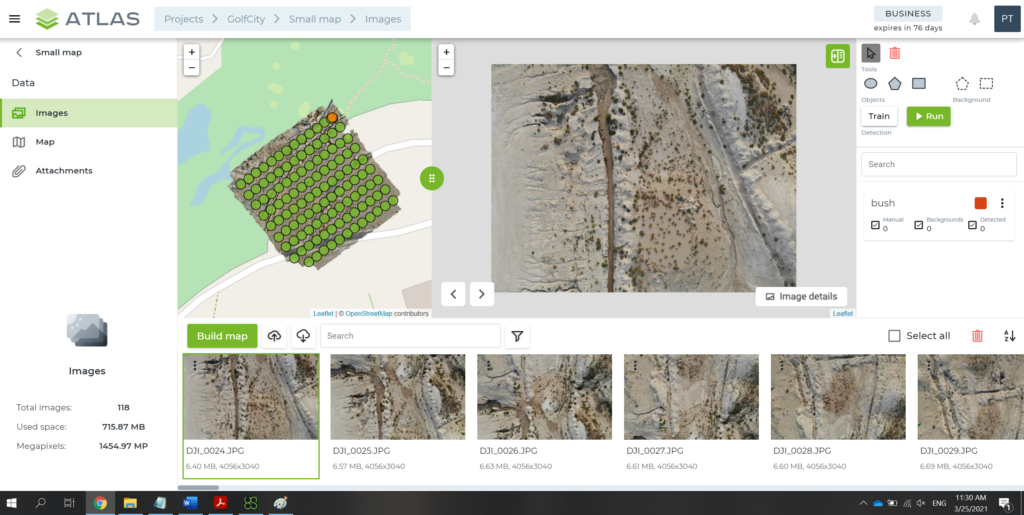
First, an engineer needs to draw a route for a drone in UgCS (below is the screenshot of my drone’s route). I set the frequency of taking photos and the following parameters. It took my drone 15 minutes to fly around three hectares.
As a result, I got approximately 100 photos for analysis.
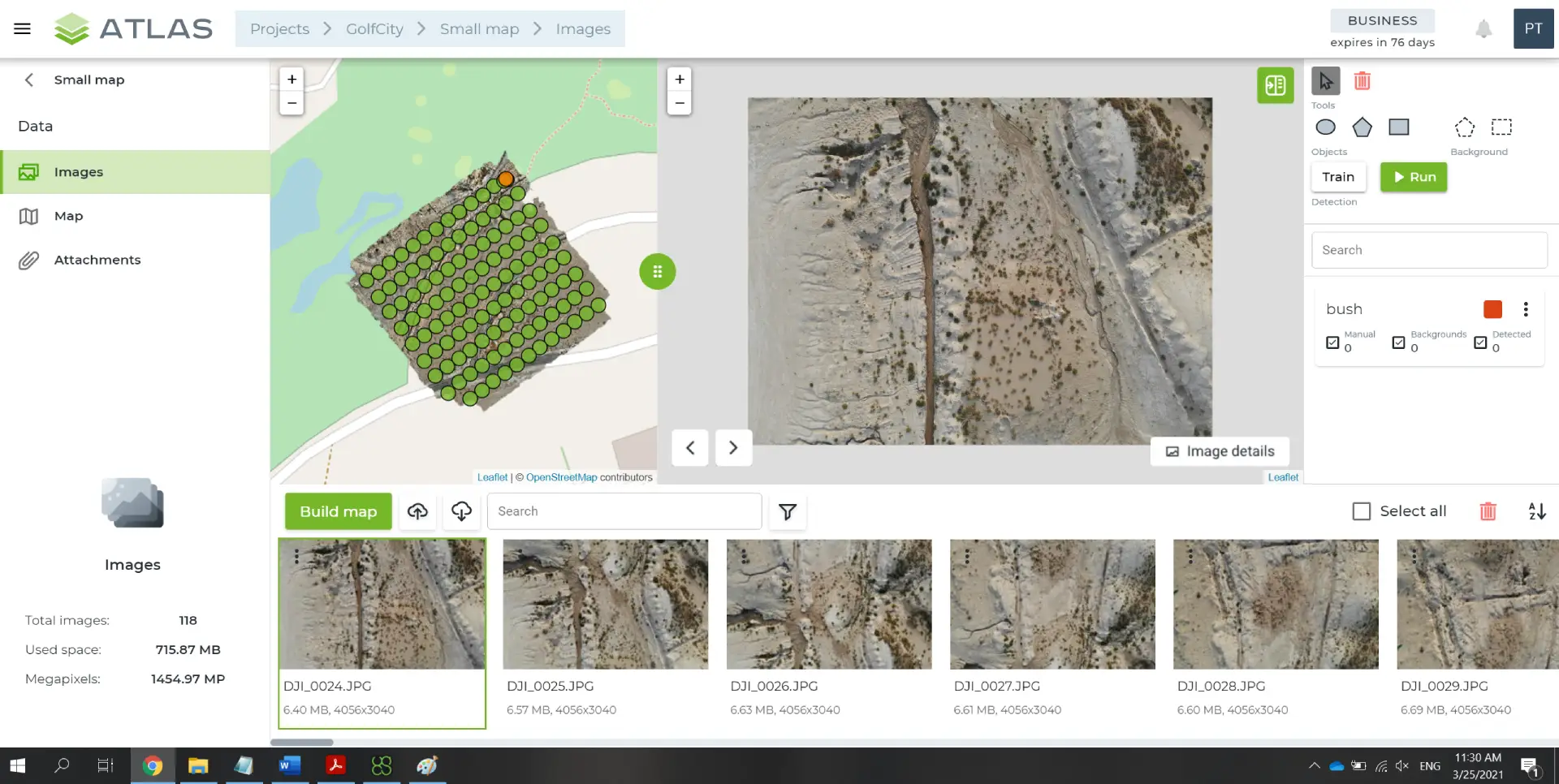
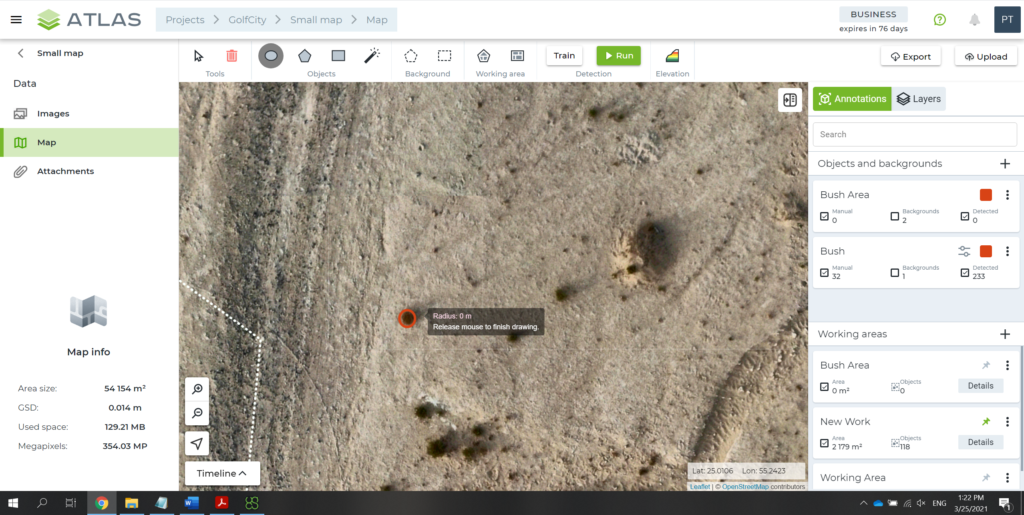
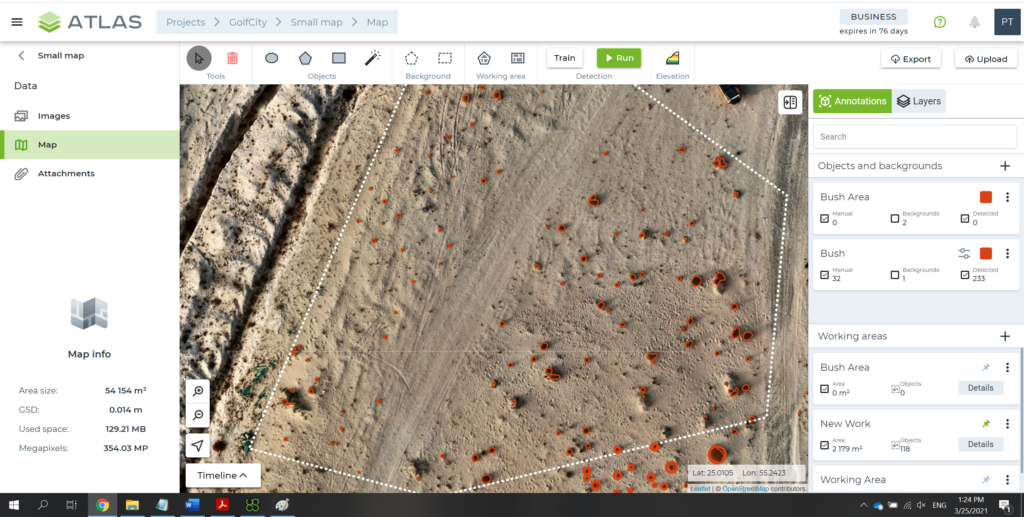
I uploaded the photos to ATLAS, which, in 5 minutes, created an area map with the relief. As I wanted ATLAS to learn how to find bushes, I then used a marker to outline the bushes on some 20-30 photos and launched a search by photos.
In 20 minutes (including AI training and photo search), I got my result. The program managed to count not only the number of bushes, but also (if needed) the total area covered by them. Indeed, you can set any parameters and reporting targets for this flexible and intelligent solution.
It is efficient, isn’t it? I believe very much so. Now imagine that the solution can find not only bushes, but also cracks on roads, rust on metal structures (for example, rusty spots on ships), oil spills, and any other things or flaws that the built-in AI can learn.
Is it easy to teach ATLAS AI for drone industrial inspection? Depends on what you want it to learn. When it comes to rusty spots on the pipe surface, all it takes is just a few photos with outlined spot examples. But if you need AI to find a green car in the green leaves, it’s more challenging and the system will need more examples for training.
ATLAS and industrial inspection tasks
Let me tell you the story of one of our customers (without mentioning its name). Our customer bought a ‘fixed-wing’ drone (a plane-like model that can fly continuously over long distances, collecting necessary data) and had a camera installed on it to shoot the sea surface. The drone flew and brought back 12,000 photos to be analyzed for oil spills. Just imagine how long it would take to manually analyze and document all these photos. Plus, oil film is often very difficult for the human eye to see on the waves. Nevertheless, the customer successfully addressed the challenge opting for ATLAS that was taught by an engineer to promptly find oil spills on photos.
This solution is also used to fly around and inspect the condition of oil pipes and production facilities, survey vegetation, as well as scan object surfaces, soil, and asphalt. The solution can be easily applied virtually in any sector and for any task. You can even set it the task to not only looking for defects but also rank them by hazard.
This is how artificial intelligence facilitates inspections and ensures control over the safety of both facilities and the environment. All you need to do is ‘explain’ ATLAS what task you want it to solve.
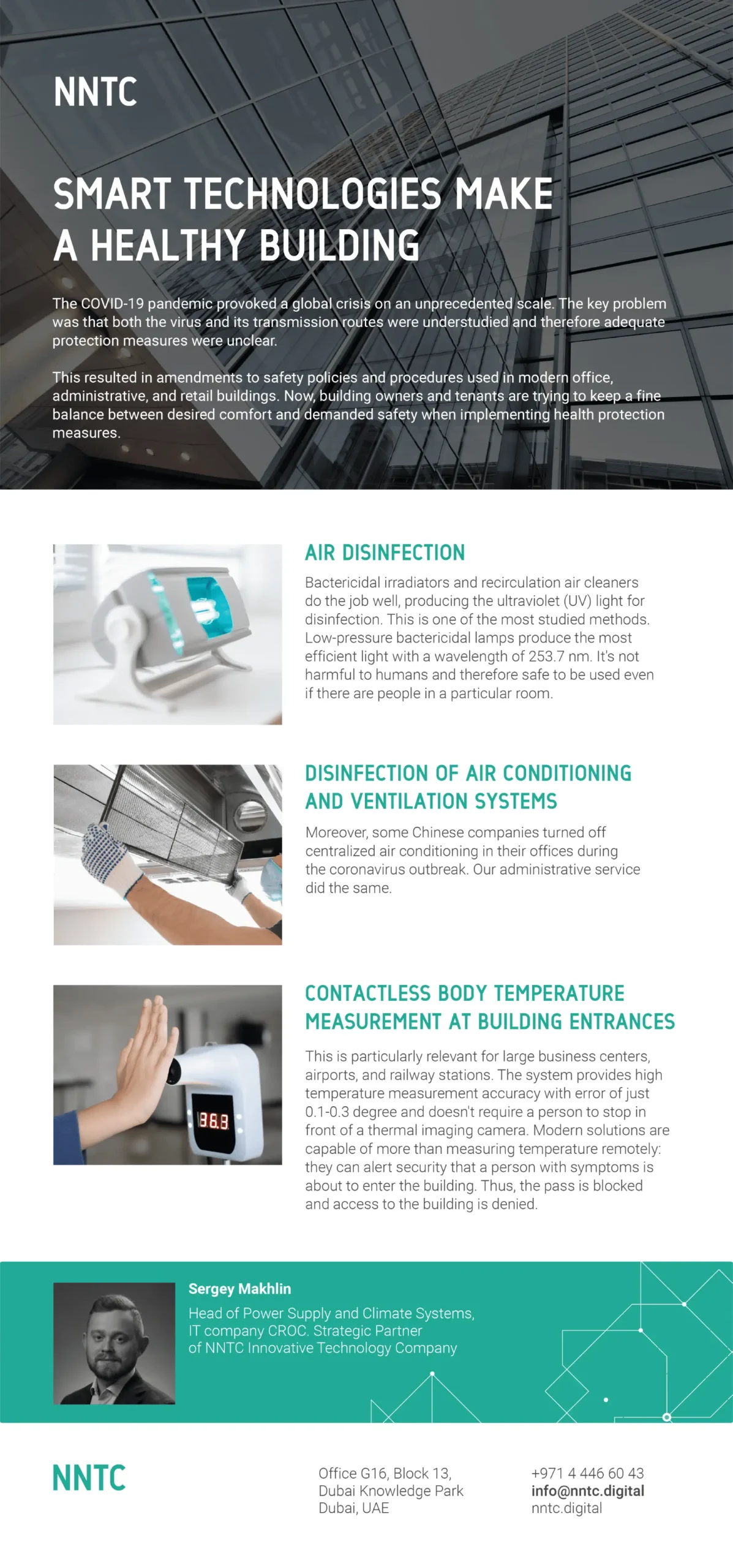
The COVID-19 pandemic provoked a global crisis on an unprecedented scale. The key problem was that both the virus and its transmission routes were understudied and therefore adequate protection measures were unclear. This resulted in amendments to safety policies and procedures used in modern office, administrative, and retail buildings.
Now, building owners and tenants are trying to find new solutions for workplace safety and health. How to keep a fine balance between the desired comfort and demanded safety?
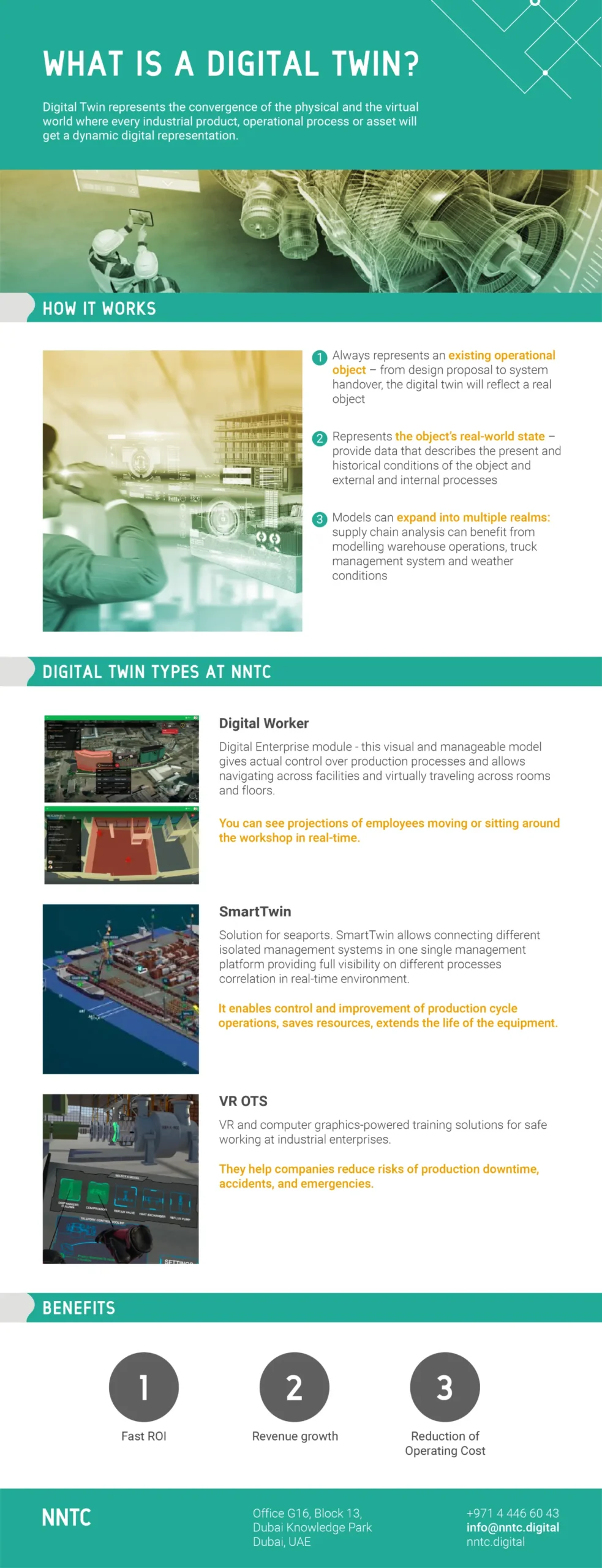
Digital Twin is one of the most exciting business optimization solutions. An exact copy of any building or territory is a set of data, which can be analyzed in real-time. Business processes can be predicted with this solution: from equipment depreciation to the production cycle operations. Read more in our today’s infographic, or explore our industrial digital twin and operational building twin solutions.
See the best combination of cost of operationsmin number of cranes or trucksmin required time
Digital Twin improves the efficiency of operations
Predicting work completion time, operating hours, downtime
Forecasting the machinery utilization, which allows the most efficient movements without queues
Assessment of the influence of factors on the machinery downtime, number of accidents, optimal routes, movements of railway/auto trains, distribution of works between cranes
Reducing cost for the equipment maintenance
Increasing business transparency and manageability
“The UAE Cabinet has announced a decision to allow use of facial recognition in certain sectors”, and this is big news for technology locally and globally. Where do we go and what’s coming? Dmitry Doshaniy, NNTC General Manager, shares his predictions and perspective on this exciting news in an interview below.
Article by Dmitry Doshaniy, NNTC General Manager LinkedIn | Mail
It’s 2021 when the UAE has approved facial recognition. Why now?
Many government and private organizations have more or less got started adopting facial recognition for security reasons or routine operations. Individual users of certain devices or services know this technology well, for example, for unlocking most of iPhones. Many banks are introducing biometric authentication to improve both client experience and transactions security.
Facial recognition has become global, so one more app or solution on the market doesn’t impress anybody. The market has matured and is now ready to adopt this technology and create more space for it at the state level. Facial recognition has proven to be a reliable and practical tool that is now starting to move into the mainstream.
Another explanation for such a decision is, I think, the fact that both business and public services still have to be provided remotely. COVID-19 is a compelling reason for governments to work harder towards less crowded places and better public health situation. Of course, some procedures are available online, but many services require authentication due to personal data security matters.
How can one know that a particular facial recognition offering on the UAE market is mature?
There is a bunch of tests showing strong performance of the latest algorithms with up to 99.97% facial recognition accuracy. False recognition is next to impossible if an image of a person is of normal quality. There can be some trouble if comparing photos of one person at different ages (for example, with a ten-year gap between them), but it is not critical as well. Anyway, facial recognition outperforms an average desk clerk. This means that video analytics puts an end to scammers successfully faking their identity to get a loan and lying to clueless clerks how not having much sleep last night makes them look wildly different from the photo. Imagine a scammer trying to play that trick with a video camera – hilarious!
The Internet used to have a bad reputation for massive account hacks and identity theft in the past. Is it possible that future hackers will somehow lay their hands on facial recognition data to make a plastic surgery and break into all user accounts?
Facial recognition systems do not store any information that can be used for plastic surgery or making a realistic 3D-printed mask. In most cases, flat images or photos are processed into a number format, and the underlying algorithm doesn’t allow reconstruction of the source 2D image. The information conversion process is tricky. Just as you can’t use hashes to reverse engineer the hashed source data, a numeric form of a recognized face in a database is incomprehensible – you can’t even guess the appearance.
Suppose, someone manages to steal a facial recognition database, but translating and exploiting the content is impossible. You can’t come up to a stranger, take a picture and stay unnoticed, and then make a super-realistic mask out of that photo. Moreover, your identity is secured by your biometric data – voice, fingerprint, and eye retina; scammers have zero chance of success. The best practice is to use several identity indicators in a biometric authentication system. Diversity makes a perfect security system.
In your opinion, how long will the implementation of facial recognition take at the state level in the UAE?
This reminds me of a joke, that goes like: “Who is the driver of your digital transformation: CEO, CIO or COVID-19?” Some parts of human life have experienced change that could have been extended over decades, but instead it either happened in months or is planned to happen in the next year or two. Everything related to remote work, services, and authentication will be implemented really fast.
We witness some global experience already as other countries are working on legal framework to deploy and regulate facial recognition and video analytics. This experience can be adopted and customized locally. Face-initiated payments, travel by public transport, and overall routine surveillance are an everyday practice in China. Integration like this brings great benefits to citizens and the state by improving people’s safety and comfort.
People usually prescribe a number of gloomy properties to face recognition, including recalling “Big Brother”. However, many countries have developed regulations to control facial recognition use, and this experience can be enriched and adopted. I’m 100% sure, that the UAE has the brightest future using this wonderful technology.
The majority of business leaders (63%) surveyed by PwC claimed that technologies of the Fourth Industrial Revolution (4IR) provide protection against an economic downturn. But how to find your way around this strange and seemingly unmanageable concept? Be brave, and I’ll show you a way in this blog!
What is 4IR?
4IR became a hot topic a few years back when the world realized how technologies impact everyday life and innovations skyrocketed, giving an optimistic view of the future coexistence of humans and machines.
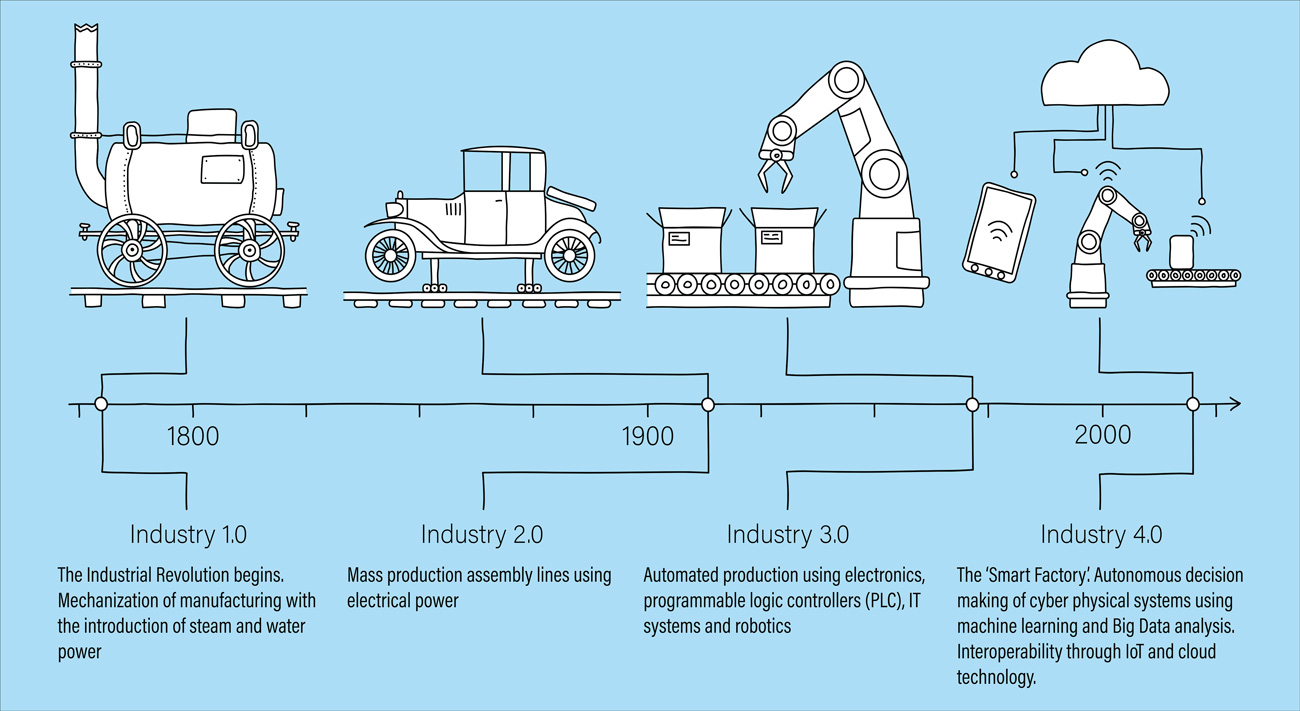
The Fourth Industrial Revolution is building on the Third, the digital revolution that has been occurring since the middle of the last century. It is characterized by a fusion of technologies that is blurring the lines between the physical, digital, and biological spheres.
said Klaus Schwab, Founder and Executive Chairman, World Economic Forum.
The main idea is that technologies do not replace, but rather gradually complement, humans, becoming a new “tool” in the hands of business. At the moment, businesses need to prepare for 4IR to survive amid the post-pandemic crisis. What’s more, companies that can keep up with the times and gain necessary skills in advance will win the race by leveraging the new tools.
4IR for business survival
Companies successfully deploying 4IR technologies now may actually emerge as stronger competitors during a recovery, and will likely be better prepared for a potential economic downturn in the future. 4IR benefits are evident: increased productivity, efficiency and quality of processes, as well as better staff safety, data-driven decision-making, and increased competitiveness thanks to developing customized products.
According to a recent PwC survey of CFOs, while the COVID-19 crisis has led 70% of companies to cut back or defer planned investments, just 22% said their companies are curbing investments in digital transformation. What does digital transformation actually entail?
Digital transformation means preparing an organization for 4IR solutions and then systematically adopting them in the most optimal way to minimize business risks. In fact, it is an organization-specific process which should be supervised by digital transformation specialists. This very approach will help you harness and exploit 4IR.
Stages of digital transformation:
Technology digitalization. Create advanced digital infrastructures and RPA-based systems to collect data and control processes.
Production digitalization. This stage requires the creation of a digital platform to collect, store, and process data, use some analytics tools (machine learning, digital twins), and engage production planning and management systems using the same models and data from the digital platform.
Digital services and apps. They are created on top of the rest to improve efficiency and performance. Data analytics tools allow for prompt and, ideally, automatic adjustment of production and technological processes, thus eventually raising product quality, reducing its cost, and improving other parameters.
How to start adopting 4IR?
As I already mentioned, each organization goes its own way here; however, there is a standard 4IR checklist.
Process automation. Whether at manufacturing facilities or in the office, process automation is one of the key success factors on the path to 4IR adoption. Process automation may include: RPA-based filling out of documentation, automated Big Data collection for subsequent analysis, automation of routine processes and procedures using artificial intelligence, video analytics, and IoT.
Big Data. All business processes are based on analytics. Indeed, data analytics helps determine a business development vector, predict critical situations, and optimize processes. A full-fledged data collection is only possible when information comes from all business process participants, from the production to the sales office or store.
Vision Zero and concern for people. Another pillar of the 4IR approach is personnel safety and care. Manufacturing enterprises adopt Vision Zero, which significantly improves occupational safety. Thus, VR drills fully immerse personnel in any possible scenarios to train them in dealing with emergencies without any risk, while Digital Worker solutions warn in advance about on-site hazards. There are also solutions to ensure office personnel safety and comfort. For example, BIM tools help adjust environmental conditions in the office, while contactless solutions prevent the spread of infections.
Business optimization. As a rule, the transition to 4IR goes along with certain internal restructuring and business optimization, which is unavoidable after adopting better and more cost-effective solutions that free up specialists time. As a result, companies can spur strategic development and planning or strengthen previously understaffed business units.
Falling demand and COVID-19 restrictions challenged the world economy in 2020, with the oil and gas industry being no exception. Expectations from 2021 are divided and it’s a tie score, generally speaking, as the tables can turn overnight. With this in mind, leading global oil and gas companies rather enthusiastically invest in technologies enabling faster response to fluctuant market and geopolitical situation.
AI-based production
Don’t know where to look first? For starters, it is worth to consider AI- and ML-based solutions – decision-making accelerators and best response advisers. Relying on qualitative KPIs, instead of quantitative ones, you increase oil production efficiency and profitability. Making much headway, AI can support business on many sides: security, profitability, production compliance control; even oil extraction can go faster.
Among other things, you can integrate AI-based solutions into logistics operations, since this technology has learned to detect oil spills at night as good as in daylight, being able to catch the sight of oil slick’s thermal image and reflected polarized light.
Learn how polarization technology helps rapidly recognize and identify oil spills with outstanding accuracy
Technology boost with lower production costs
Production costs reduction is also firmly on the agenda of oil extraction. IT can help automate multiple business processes and efficiently support productive capacity uptime with minimum human involvement.
For example, solutions to run diagnostics and avoid expensive equipment downtime. Some technologies even reduce the time it takes to gather information on equipment health, such as digital twins or drone-based industrial inspections. Let’s take an inspection of a huge oil pipe as an example. To inspect this monster, you need to build scaffolding first. To accomplish that, you need to stop pipe’s work, erect scaffolding against it, and only then people will use it for two weeks looking for some defects: peeled paint, rust or a missing piece of the build. Each inspection engineer has to document every detail of the detected defect. However, using industrial inspection drones with special software and machine learning algorithms, you will reduce costs by 5-10 times, with only one person and one drone being needed to involve.
Digital Enterprise – VR Project
Or let’s take a look at the Digital Factory concept. It describes an enterprise that leverages IT in its every aspect: automated manufacturing, optimized business processes, services, and product promotion. The concept implies a single information environment turning hectic data from multiple sources into a structured data-driven representation of the enterprise. Decisions of a company like this are guided by complete and constantly updated information.
Oil & gas industry and remote work
The reality surprised the industry with transition of many non-production employees to remote work. However, this move helped develop communication networks and solutions for collaboration.
Remote work requires the automation of standard operational tasks. A corporate bot can perform hundreds of recurring and routine tasks instead of an employee, automating the execution of standard documents, certificate approval, etc. The bot is also a universal tool that can call 200 employees per minute and obtain any necessary information. Here is one of our case studies: in the morning, the bot collects staff work plans for a day or a week, and in the evening, it receives interesting insights or identifies why tasks were not completed. The voice bot collects and transcribes all information, then draws up a unified report and submits it to a manager, with a report summary also being sent to group chats in messengers. This way, managers always keep track of the events in their departments and monitor all tasks being performed, while saving personnel time otherwise spent on preparing routine reports.
Second example of such solution is a Remote Employees Control Assistant (RECA). It is an integrated system, which helps to ensure control over business processes, analyze staff activities, generate workflow reports and keep in touch with remote employees. It shows a detailed picture of each employee activities and prevents confidential information leaks.Gradual transformation of oil & gas production
Now is the most favorable time to benefit from investments in information technology. All it takes is a wise choice of implementation strategy and tactics, and relevant experts can help you make better choices to maximize the effect of your overall digital transformation.