Summary: Does VR training work? On average, VR matches good classroom training. The large gains come from practice gated on a measured benchmark, training built from expert task analysis, and the debrief. VR training earns its place where the real drill is too dangerous, rare or costly to run.
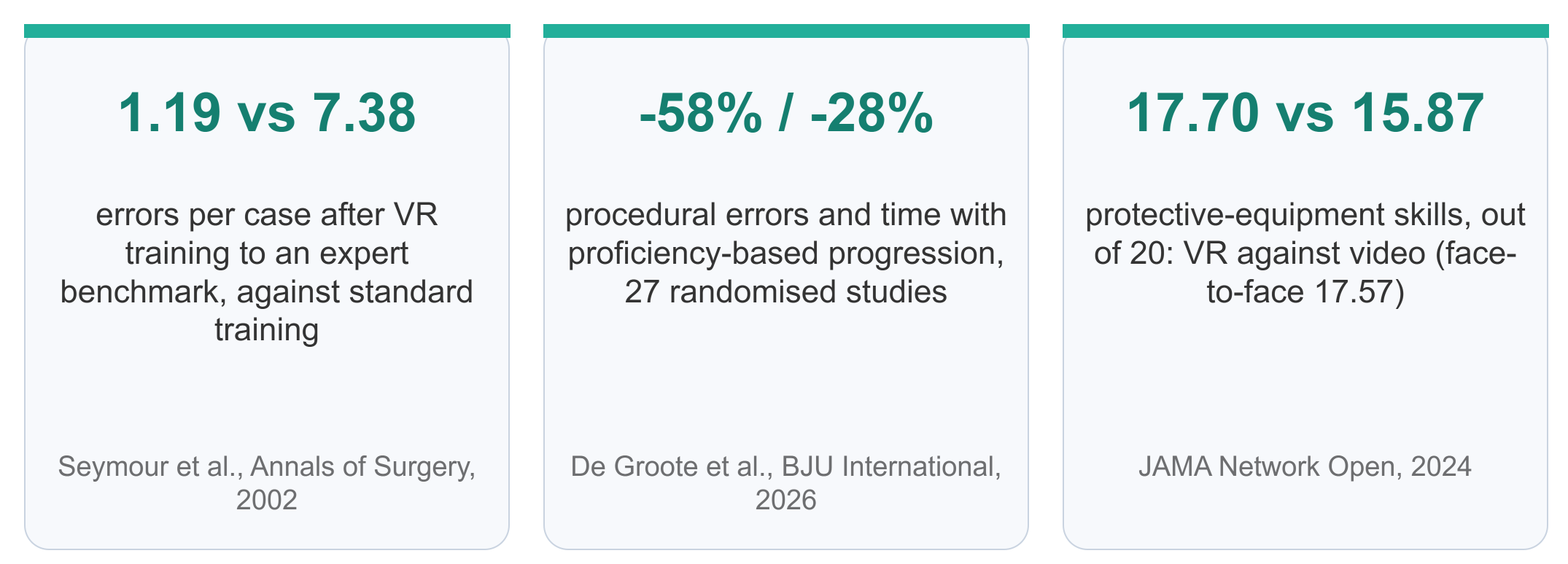
A surgeon trained in VR to a fixed standard made 1.19 errors per case in a real operating room. The group trained the usual way made 7.38. That study, from 2002, gets quoted in VR sales decks to prove that the headset works.
It proves something else. The VR group did not just wear headsets. They practised until they hit a benchmark set by experts, and only then went near a patient. Take the benchmark away and the headset on its own has little to show.
We went through this literature properly in September, for a government knowledge-transfer bid. About 290 sources, 33 key claims re-fetched and checked against the original paper. What survived is less exciting than the brochures and far more useful to anyone buying training.
What the biggest study actually says
The largest meta-analysis of extended-reality training, Kaplan and colleagues in Human Factors (2021), found that XR “does not express a different outcome” from conventional training. Same learning, on average. Its value sits where “danger or cost may make traditional training impossible”.
A 2024 study in JAMA Network Open makes the point neatly. Staff learning to put on and take off protective equipment scored 17.70 out of 20 after VR, 17.57 after face-to-face teaching, and 15.87 after a video. VR matched the instructor and beat the video. It did not beat the instructor.
So if a vendor tells you VR beats the classroom, ask which classroom, and for which task. We compared the two side by side in VR training vs classroom: what actually transfers to the job.
Where VR training effectiveness really comes from
The big numbers in training research come from how the training is built and gated, and the headset is incidental to them.
Proficiency-based progression is the strongest. Trainees advance only when they reach a measured benchmark, usually set from expert performance. A 2026 review of 27 randomised trials with 761 participants found it cut errors by 58% and time by 28%. The 1.19-versus-7.38 surgical result belongs here too.
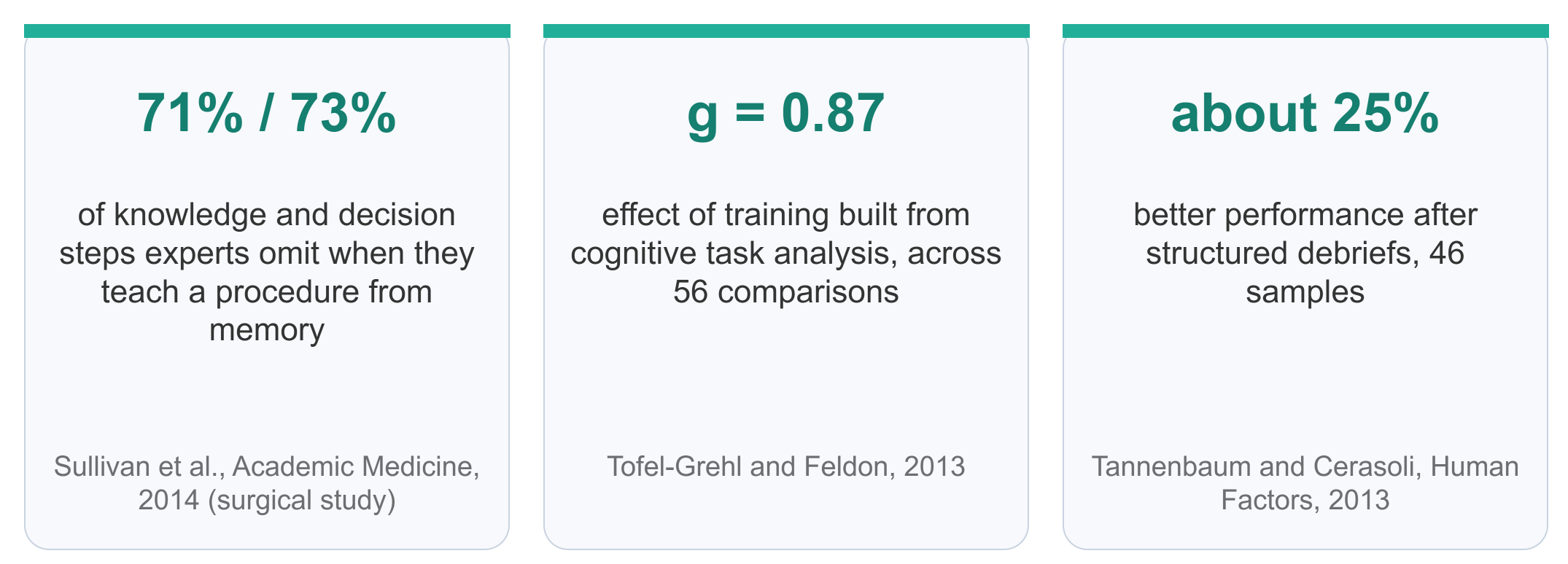
Training built from cognitive task analysis is the second. Before anyone designs a module, you interview the experts and map the decisions they make, step by step. Across 56 comparisons this approach showed an effect size of 0.87, which in training research is large.
There is a reason it works. When experts describe their own procedure, they leave out most of it. A 2014 study of surgeons found they omitted 71% of the knowledge steps and 73% of the decision steps. The expert is not hiding anything. The steps have become automatic, so a module written from the expert’s own account teaches the easy part and skips the part that causes incidents.
The third is the debrief. Structured after-action reviews improve performance by about 25%, and they cost almost nothing to run.
So why build VR at all
Because some drills cannot be run for real. You cannot set fire to a treatment plant to see whether the shift follows procedure, and you cannot flood a pump hall or black out a control room on a Tuesday afternoon.
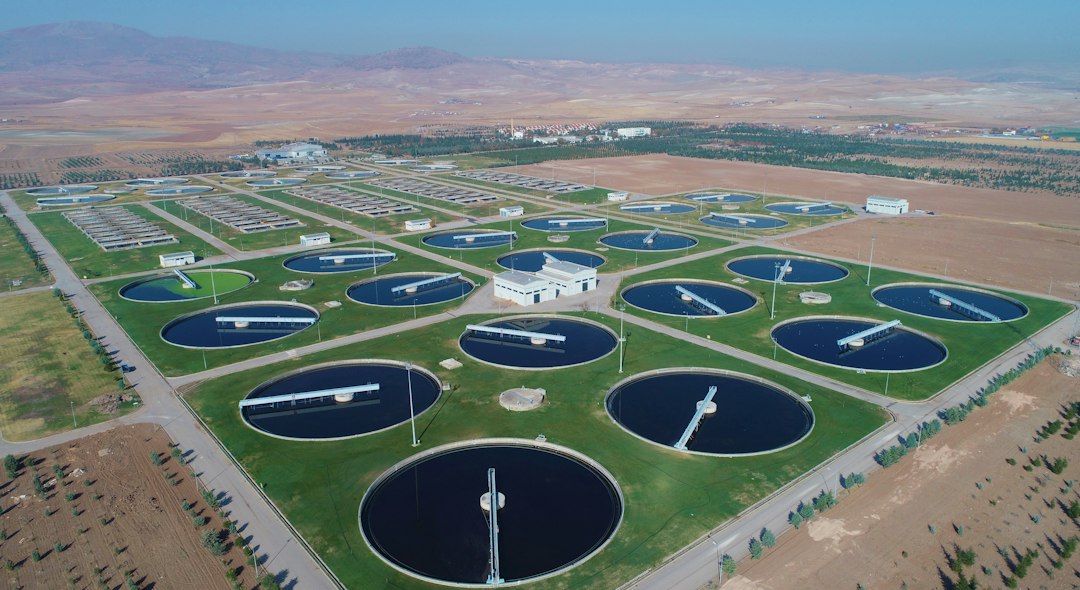
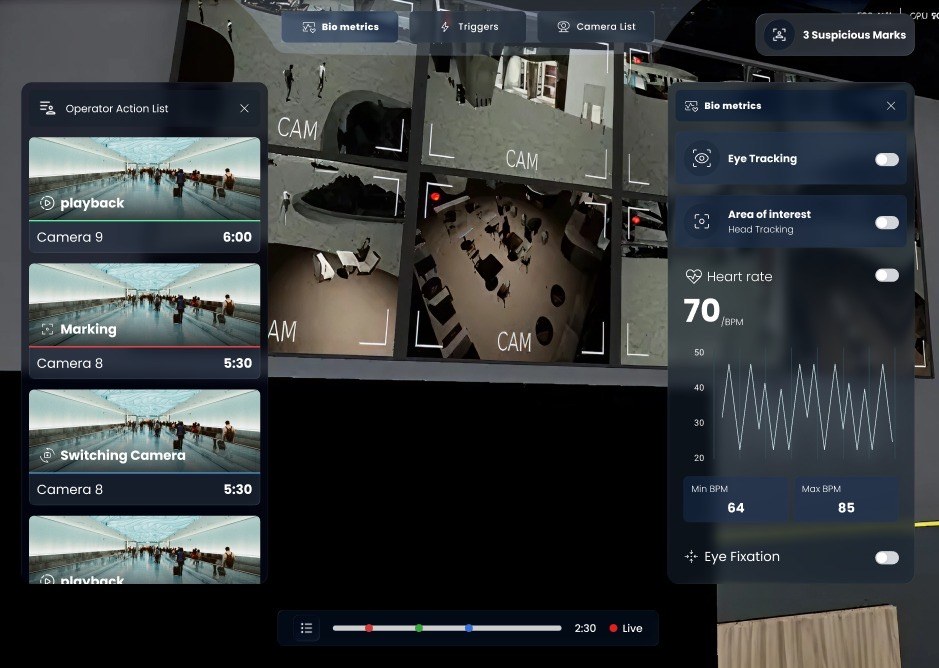
For Dubai Municipality’s sewage treatment plants we built a VR training complex with 21 VR scenarios, among them fire, flood and blackout drills, on a model with more than 7,000 interactive elements and a copy of the plant’s process-control system. The value there is plain: operators rehearse the bad day without the bad day. A classroom cannot do that, and a live plant must not.
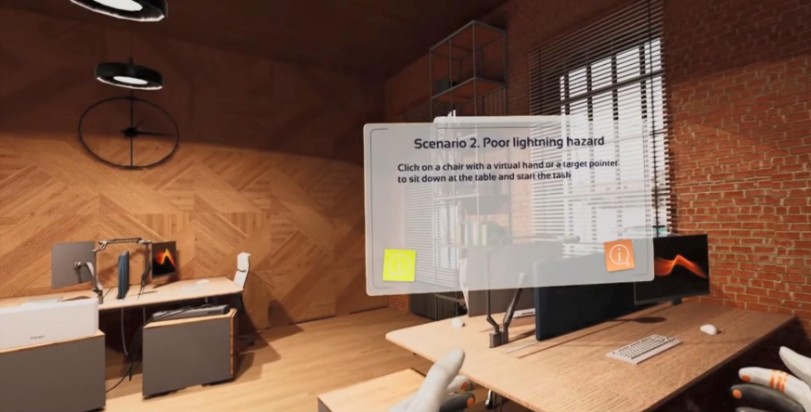
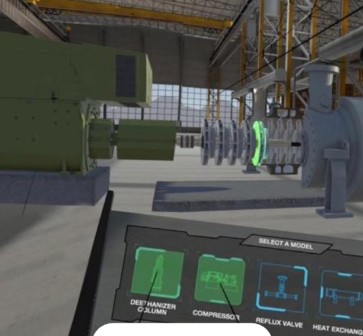
That is the honest claim for VR. It is as effective as good conventional training, and it makes possible the practice that is dangerous, scarce or expensive to run for real.
The numbers we stopped using
Some of the most quoted figures did not survive tracing.
“Four times faster than classroom” comes from a soft-skills course, timed as a roughly 29-minute VR module against a 120-minute classroom session. It describes that one course, and says little about a plant shutdown procedure.
The aerospace “90%” improvements come from augmented-reality guidance used during real assembly, reported by the companies themselves. That is not VR training.
“Employees spend 1.8 hours a day searching for information” is third-party arithmetic on two older reports, and the original papers do not contain it.
If a proposal you are reading leans on any of these, ask for the original paper.
What to check before you buy
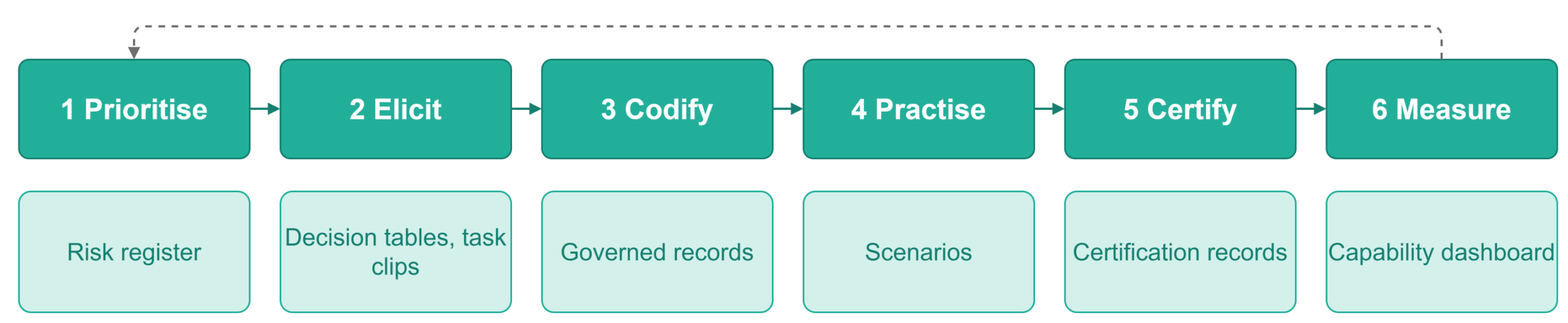
- Ask how the content will be built. If the answer starts with 3D models and not with interviews of your best operators, the module will teach what experts say they do, which is about a quarter of what they actually do.
- Ask what the pass mark is and who set it. Progression on a measured benchmark is where the large effects live. A completion certificate is not a benchmark.
- Ask where the debrief happens and who runs it.
- Ask which part of your training is too dangerous, too rare or too costly to practise for real. That part is where VR pays. For the rest, a good instructor may be cheaper and just as effective.
For scoping the first module, see how to scope a VR training pilot that proves ROI.
One more point for anyone adding an AI tutor to the package: unguided chat access measurably lowers learning once it is taken away. A tutor that gives hints first does not have that effect. Operations staff need direct, cited answers; learners need the hint.
Frequently asked questions
Is VR training more effective than classroom training?
On average, no. The largest meta-analysis of extended-reality training found it matches conventional training. Its value is in practice that is dangerous, rare or expensive to run for real.
What makes VR training effective?
How the training is built and gated. Progression on a measured benchmark cut errors by 58% across 27 randomised trials. Training built from cognitive task analysis and a structured debrief add large effects of their own.
When should a company use VR for training?
When the real drill cannot be run safely or cheaply: fire, flood and blackout drills on a live plant, work at height, rare equipment faults. For the rest, a good instructor may be cheaper and just as effective.
How should VR training be assessed?
Against a pass mark set from expert performance, with a debrief after each run. A completion certificate is not a benchmark.
Next step
If you are scoping VR training and want the method designed before the 3D, tell us the task you cannot rehearse for real. See our VR safety training simulators, or Get in touch.
Photo by SELİM ARDA ERYILMAZ on Unsplash
